
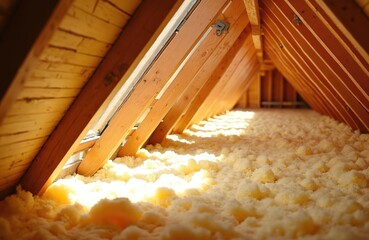
Imagine a home where every room feels comfortable throughout the year, regardless of the weather outside. No sudden drafts near the walls, no overheated rooms during warm days, and no unexpected chills during cooler evenings. Achieving this level of comfort often depends on something that most homeowners rarely see or think about. Hidden behind walls, under floors, and above ceilings, insulation quietly works to maintain a balanced indoor environment.
Foam Insulation Houston TX has become one of the most effective solutions for improving a home’s thermal performance. Unlike traditional insulation materials that may leave small gaps or spaces, foam insulation expands to fill openings and create a strong barrier against heat transfer. This unique ability allows it to seal areas that other insulation methods may miss.
Understanding how foam insulation works and why it is beneficial can help homeowners make informed decisions about improving comfort, efficiency, and long term performance within their homes.
What Foam Insulation Is and How It Works
Foam insulation is a type of insulating material that expands after being applied to a surface or cavity. When installed, the material begins as a liquid that quickly expands and hardens into a solid foam. As it expands, it fills small cracks, gaps, and irregular spaces within the structure.
The key function of foam insulation is to slow the movement of heat. Heat naturally travels from warmer areas to cooler areas, and foam insulation helps resist this transfer by trapping air within its cellular structure. These air pockets act as barriers that reduce the flow of heat through walls, ceilings, and floors.
One of the most significant advantages of foam insulation is its ability to seal air leaks. Traditional insulation materials may insulate well but still allow air to pass through small openings. Foam insulation expands into these openings, creating a tighter seal that reduces drafts and improves temperature stability.
This combination of thermal resistance and air sealing makes foam insulation a powerful option for improving overall home efficiency.
Types of Foam Insulation
There are different types of foam insulation used in residential construction and home improvement projects. Each type has unique properties that influence how it performs and where it is typically installed.
One common form is open cell foam insulation. This type of foam has a softer structure with small interconnected air pockets. Because of its flexible structure, open cell foam can expand easily and fill large spaces. It is often used in walls and attic areas where sound reduction and flexibility are beneficial.
Another type is closed cell foam insulation. This foam has a denser structure in which the cells are tightly sealed. Closed cell foam provides strong resistance to heat transfer and adds structural strength to the surfaces where it is applied. It is often used in areas where higher insulation performance is required.
Both types of foam insulation offer advantages depending on the specific needs of the home. The selection of the appropriate type depends on factors such as insulation goals, structural conditions, and the location where the insulation will be installed.
Areas of the Home That Benefit from Foam Insulation
Foam insulation can be applied in several areas of a home where controlling heat transfer and air movement is important. Walls are one of the most common locations because they form a large portion of the building envelope.
When foam insulation is installed inside wall cavities, it expands to fill the space between framing components. This expansion creates a continuous layer of insulation that reduces heat transfer and minimizes air leakage.
Attics also benefit greatly from foam insulation. Because warm air naturally rises, the attic is often one of the primary areas where heat escapes during cooler seasons. Applying foam insulation in the attic helps prevent this heat loss and supports stable indoor temperatures.
Crawl spaces and floor cavities can also be insulated with foam. These areas are often difficult to insulate with traditional materials due to pipes, wiring, and irregular shapes. Foam insulation expands around these obstacles and provides consistent coverage.
By sealing these critical areas, foam insulation helps create a stronger thermal barrier throughout the entire home.
The Foam Insulation Installation Process
The installation process for foam insulation involves careful preparation and precise application. Professionals typically begin by evaluating the areas where insulation will be installed. This evaluation helps determine the appropriate foam type and the required thickness.
Before installation begins, surfaces are cleaned and prepared to ensure that the foam adheres properly. The foam material is then applied using specialized equipment that mixes the liquid components and sprays the material into the desired space.
Once applied, the foam begins to expand rapidly. This expansion allows the material to fill small cracks, gaps, and cavities within the structure. Within a short time the foam hardens into a durable insulating layer.
The installer carefully monitors the application to ensure that the foam expands evenly and reaches the correct thickness. Proper installation is important for achieving optimal insulation performance.
After the foam has fully cured, it forms a stable barrier that helps control heat transfer and reduce air movement within the home.
Energy Efficiency Benefits of Foam Insulation
One of the primary reasons homeowners choose foam insulation is its ability to improve energy efficiency. When insulation effectively slows heat transfer and seals air leaks, heating and cooling systems require less effort to maintain indoor comfort.
In homes without sufficient insulation, conditioned air can escape through small openings in the building envelope. This loss forces heating and cooling systems to operate longer and more frequently.
Foam insulation reduces this problem by creating a tight seal around structural components. The expanded foam blocks airflow and helps maintain stable indoor temperatures.
With improved insulation in place, indoor spaces remain comfortable for longer periods without constant adjustments from heating or cooling systems. This improved efficiency can contribute to reduced energy consumption over time.
Energy efficiency improvements also support the long term performance of heating and cooling equipment by reducing the amount of strain placed on these systems.
Additional Comfort and Structural Benefits
Beyond improving energy efficiency, foam insulation offers several additional advantages that enhance the comfort and durability of a home.
One important benefit is sound control. The cellular structure of foam insulation can help reduce the transmission of sound between rooms and from outside sources. This contributes to a quieter indoor environment.
Foam insulation can also help manage moisture movement within walls and ceilings. By sealing small gaps and limiting airflow, it reduces the chances of warm air meeting cooler surfaces and creating condensation.
In the case of closed cell foam insulation, the hardened foam layer may also provide added structural strength. This additional support can contribute to the durability of certain building components.
These benefits make foam insulation a valuable option for homeowners who want to improve multiple aspects of their living environment.
Long Term Performance of Foam Insulation
Foam insulation is designed to provide long lasting performance when properly installed. Unlike some insulation materials that may settle or shift over time, foam insulation maintains its shape and position within the structure.
Because the foam adheres to surfaces and fills cavities completely, it is less likely to develop gaps that reduce insulation effectiveness. This stability helps ensure consistent thermal performance for many years.
Periodic inspection of insulated areas can help confirm that the insulation continues to perform as expected. Although foam insulation is durable, maintaining proper ventilation and moisture control within the home supports its long term effectiveness.
With the right installation and proper home maintenance, foam insulation can continue to support energy efficiency and indoor comfort for an extended period.
Conclusion
Foam insulation has become a widely recognized solution for improving the thermal performance of homes. Its ability to expand and seal small gaps allows it to create a strong barrier against heat transfer and air movement.
By reducing drafts, controlling heat flow, and improving temperature stability, foam insulation supports a more comfortable indoor environment throughout the year. It also helps heating and cooling systems operate more efficiently, which contributes to improved energy performance.
Understanding how foam insulation works allows homeowners to appreciate the important role it plays within the structure of a home. When properly installed and maintained, foam insulation provides long lasting benefits that support comfort, efficiency, and overall building performance.